 HR & People Teams
 Marketing Teams
 Sales Teams
 Building Culture
 Brand Consistency
 Building Relationships
 Generating Sales
 Standing Out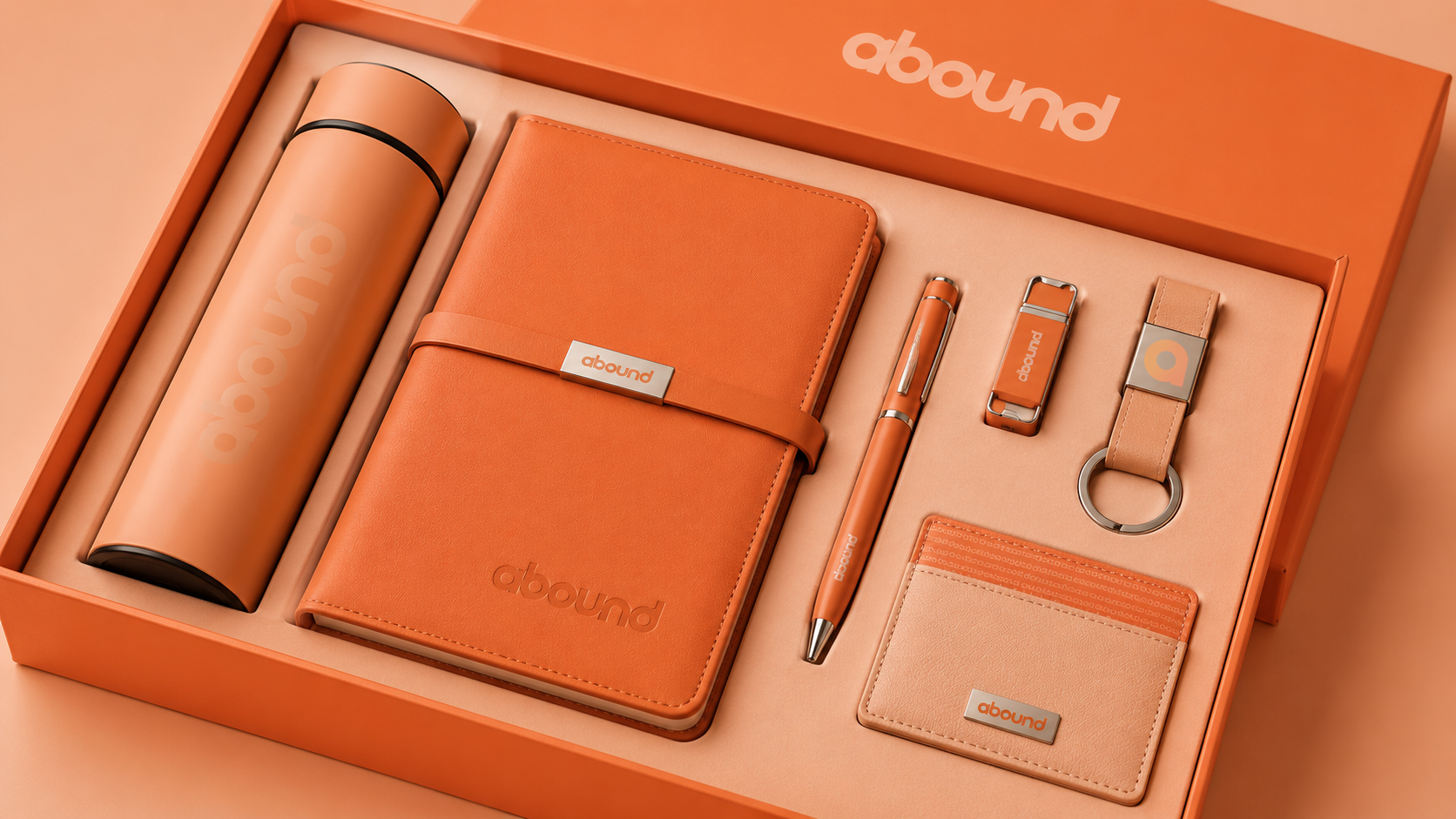
Most merch fails.
Not because brands don’t care. Not because budgets aren’t there. Not because people don’t like free stuff.
Most merch fails because it’s created with no strategy, no purpose, and no understanding of the audience who will receive it.
It becomes noise — another forgettable item that adds clutter instead of value.
Most merch is chosen from catalogs, not curated with intention.
Catalog shopping leads to:
- Random mugs
- Cheap towels
- Thin tees
- Forgettable notebooks
- Generic tech gadgets
These items are rarely used. Rarely loved. Rarely remembered.
Cheap merch has a hidden cost:
it cheapens your brand.
Smart brands curate intentionally:
- Fewer items, more meaning
- Higher quality, longer life
- Retail-inspired designs
- Products people actually adopt
They choose items that feel premium, modern, and integrated into real life.
If your merch ends up in someone’s routine, you’ve already won.
Most merch ignores the audience.
This is one of the biggest reasons merch fails:
Brands pick merch they like — not merch the audience will love.
Every audience is different:
- Sales reps on the road
- Remote tech teams
- Construction crews
- Healthcare workers
- College students
- CX or hospitality teams
- VIP customers
- Newly onboarded employees
Each has different needs, environments, and daily realities.
Smart brands ask:
- What does this audience actually use?
- What would they choose for themselves?
- What fits their lifestyle?
- What becomes part of their identity?
- What feels interesting enough to keep?
The best merch feels like it belongs to the recipient — not the giver.
Most merch looks like merch. Smart merch looks like retail.
Design is what separates:
“Oh cool!”
from
“Ugh, another promo item.”
Where merch goes wrong:
- Oversized logos
- Cheap materials
- Busy graphics
- Inconsistent brand colors
- Poor fits
- Forgettable packaging
Smart merch is brand expression made physical. It reflects:
- Taste
- Intention
- Craft
- Identity
It uses embroidery, tone-on-tone design, quality textures, and branding that feels subtle but unmistakable.
When merch looks like something you’d buy at a store, adoption skyrockets.
Most merch is one-and-done. Smart merch creates a system.
Random merch moments don’t build connection.
Smart merch becomes part of a planned ecosystem:
- Seasonal drops
- Onboarding kits
- Recognition kits
- Product launch experiences
- Sales enablement touchpoints
- Event-to-follow-up flows
- Culture-building moments
This consistency shapes experiences people remember.
When merch reinforces brand identity throughout the year, it drives long-term engagement.
Most merch isn’t measured. Smart merch drives results.
Most companies never measure merch. They simply hand it out and hope for the best.
Smart companies measure:
- Adoption
- Daily use
- Brand recall
- Emotional connection
- Cultural impact
- Sales lift
- Engagement metrics
- Longevity
Merch becomes a data-backed channel — not a swag line item.
When you track what works, you invest smarter.
So what do smart brands do?
- Start with purpose
Every product maps to a business goal.
- Curate, don’t browse
Quality > quantity.
- Tell a story
Kits experience better than single items.
- Design for real life
If people love it, they’ll use it. If they use it, you win.
- Treat merch as a channel
Plan it. Measure it. Optimize it.
The bottom line
Most merch fails because it’s treated like swag.
Smart merch succeeds because it’s treated like strategy.
Strategic merch:
- Builds culture
- Deepens relationships
- Lifts sales
- Strengthens brand perception
- Creates emotional connection
- Drives long-term visibility
- Delivers measurable impact
Merch doesn’t have to be noise.