
 HR & People Teams
 Marketing Teams
 Sales Teams
 Building Culture
 Brand Consistency
 Building Relationships
 Generating Sales
 Standing Out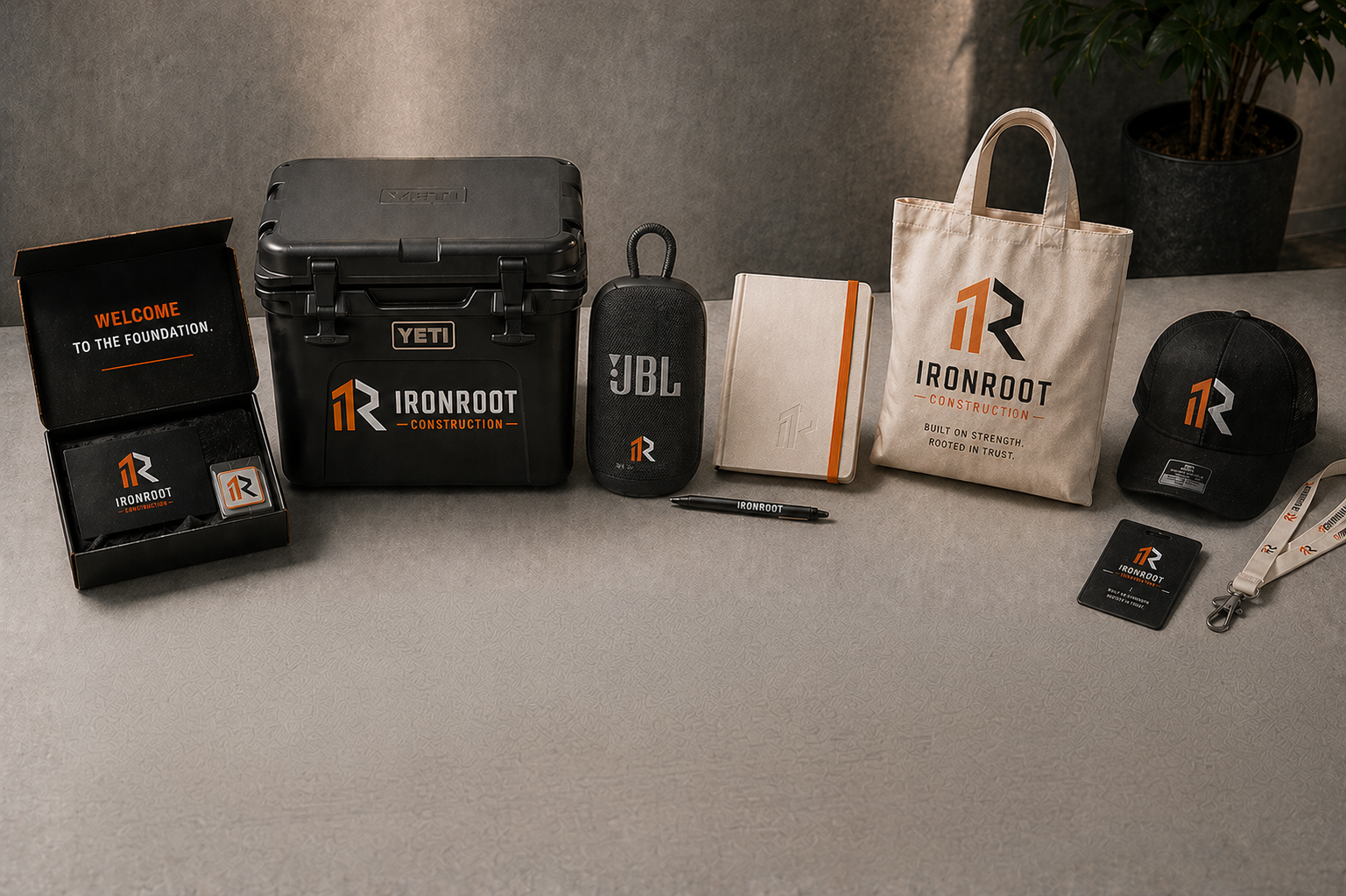
Most companies treat merch like a last-minute scramble.
A budget appears, someone asks for ideas, panic sets in, and the first available product gets ordered. The result? Inconsistent experiences and merch that rarely moves the needle.
The best merch — the kind that builds culture, reinforces brand identity, deepens relationships, and drives sales — is never rushed. It’s planned.
A smart merch calendar turns reactive buying into a proactive strategy. It ensures the right moments get the right pieces, and that every touchpoint feels intentional, not improvised.
Here’s how to build a merch calendar that actually works.
Start with your business rhythms
Before choosing any products, map the moments that matter. The strongest merch calendars follow the natural pulse of your business — not arbitrary dates or leftover budgets.
Ask:
- When do we hire or onboard new employees?
- When do campaigns launch?
- What events, conferences, or activations happen each quarter?
- When does sales need momentum or follow-up opportunities?
- When do we celebrate milestones or big internal wins?
- When do our customers expect communication or renewal moments?
Smart merch supports these rhythms.
It reinforces what’s already important.
Identify your merch-ready opportunities
Not every moment needs merch — but many moments become significantly more powerful with it.
Examples include:
Quarterly alignment
- Q1 kickoff kits
- Mid-year motivation drops
- End-of-year culture gifts
Seasonal needs
- Summer outdoor sets
- Fall apparel refresh
- Winter wellness kits
HR & People programs
- New hire welcome kits
- Anniversary or milestone gifts
- Culture drops for distributed teams
Marketing & Sales cycles
- Product launch kits
- Campaign-aligned merch
- Event swag and follow-up kits
- Prospecting drops that spark response
When these moments are planned in advance, merch elevates them instead of feeling random.
Create themes that bring your brand to life
A good merch calendar is organized.
A great merch calendar is cohesive.
Themes tie the year together and give your merch storytelling power.
Examples:
- “Welcome to the Team” onboarding series
- “Culture in Motion” quarterly drops
- “Momentum Season” sales incentives
- “Brand in the Wild” summer outdoor merch
- “Launch-Ready” product rollout kits
Themes help your team understand the why behind each drop and ensure your brand identity remains consistent across the year.
Think in kits, not items
One item is fine.
A kit is an experience.
Kits feel intentional, premium, and complete. They elevate even simple moments into memorable ones.
For example:
A hoodie alone is nice.
A hoodie + notebook + welcome card in a cohesive kit is an experience.
Kits help you:
- Reinforce brand consistency
- Build anticipation
- Increase perceived value
- Create emotional moments
- Turn small drops into standout memories
If you want maximum cultural or brand impact, think in kits.
Balance practicality with delight
Smart merch calendars blend two ideas:
Usefulness and excitement.
Practical items anchor your brand into daily routines.
Delight-based items create emotional lift.
Examples of practical merch:
- Apparel
- Hydration bottles
- Desk tools
- Tech essentials
Examples of delight merch:
- Limited seasonal drops
- Wellness surprises
- Branded games or activity sets
- High-impact rewards
A great merch calendar uses both, creating a rhythm of reliability and surprise.
Leave room for unexpected connection
Not every moment can be planned. Some of the most powerful cultural or customer experiences come from unexpected gestures.
Examples:
- A morale booster during a tough quarter
- A kit celebrating a surprise team win
- A “thank you” gift after a stressful launch
- A small drop acknowledging extra effort
A smart calendar includes planned tentpoles but leaves space for authentic human moments.
Plan ahead to eliminate chaos
A merch calendar isn’t just about creativity — it’s about operational excellence.
Planning in advance prevents:
- Rush fees
- Poor item choices
- Delayed shipments
- Inconsistent branding
- Design bottlenecks
- Last-minute stress
Instead, you get:
- Smooth workflows
- Better sourcing options
- Higher-quality output
- Cohesive branding
- Stronger internal alignment
- More impactful merch moments
The earlier you plan, the better your merch becomes.
Measure what works
A merch calendar should evolve with data.
Track:
- Adoption
- Daily use
- Social engagement
- Employee feedback
- Customer response rates
- Event conversion lifts
- Sales momentum
- Longevity
The more you measure, the smarter your calendar becomes over time.
The Bottom Line
A smarter merch calendar transforms your brand’s year into a sequence of intentional, memorable touchpoints. It helps you:
- Strengthen culture
- Reinforce brand identity
- Drive campaign alignment
- Support sales
- Deepen customer relationships
- Reduce waste
- Create consistency and excitement
Most companies treat merch like a task.
Smart brands treat it like a strategy.
